In an industry that thrives on dramatic before and afters, Low-Level Light Therapy (LLLT) takes a quieter approach. There is no peeling, no visible trauma, and no enforced downtime. Instead, it works beneath the surface, supporting cellular function rather than injuring tissue into repair. Dr Madhuri Agarwal, Dermatologist and Founder of Yavana Skin and Hair Clinic, explains that the treatment is straightforward in practice. The science, however, is rooted in cellular bioenergetics. “Skin cells function as highly active biological units, synthesising collagen, repairing damage and managing inflammation throughout the day. These processes require significant energy. Factors such as stress, ageing, inflammation, or prolonged exposure to environmental pollutants can affect cellular efficiency.”
LLLT delivers specific wavelengths of light at low intensities. The word low is key. “The term low-level means that the procedure does not generate heat or cause tissue ablation, thereby eliminating the need for recovery time.” Instead, the light stimulates the production of adenosine triphosphate, or ATP, the cell’s primary energy source. “Elevated ATP levels aid in enhanced collagen synthesis, accelerated healing, and reduced inflammation.” It is stimulation, not destruction.
WHERE IT WORKS BEST
While LLLT has broader regenerative implications, its strongest clinical foothold today is in hair restoration. “The most well-documented benefit of low-level laser therapy (LLLT) is hair regrowth,” says Dr Agarwal.
Devices targeting androgenetic alopecia, a common form of hair loss affecting both men and women, have received regulatory approval in several countries including the US. “The underlying mechanism is plausible; light stimulates blood flow to hair follicles and prolongs the hair growth phase. While the results are generally modest, they are noticeable especially in cases of early to moderate thinning.” The emphasis here is on preservation and density rather than dramatic regrowth.
HOW IT DIFFERS FROM HIGH-INTENSITY LASERS
Many light-based technologies rely on controlled injury to trigger a healing response. They can improve pigmentation, texture and wrinkles, but they also come with discomfort and recovery time.
“The central concept in LLLT is low level meaning the light is specifically designed to avoid any tissue damage,” she explains. “LLLT works by stimulating tissue rather than ablating it. This makes LLLT much safer with no downtime and suitable for home use without constant medical oversight.” That safety profile has contributed to its popularity, particularly in the at-home device market. Yet safety does not eliminate the need for guidance.
WHAT DETERMINES SUCCESS
Beyond clinical mechanics, LLLT’s growing visibility reflects a larger shift in aesthetic culture. As patients lean toward preventive and maintenance-driven treatments, technologies that promise cumulative improvement without disruption are gaining ground. LLLT provides real but subtle results. “It does not offer the dramatic changes seen with hair PRP or exosomes, so expectations should be set accordingly.” Results are gradual. Dr Agarwal believes that with consistent use and the right settings you can expect gradual improvement over eight to 12 weeks for skin and four to six months for noticeable results with hair regrowth. “The results are increased density and the preservation of existing hair rather than significant new growth,” she says.
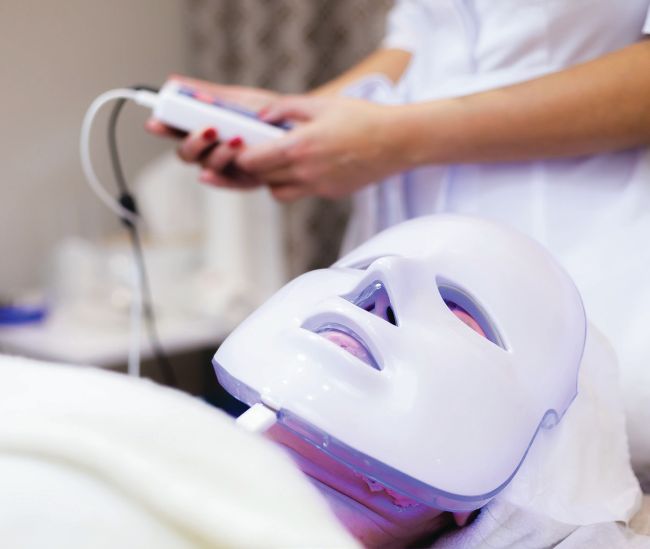
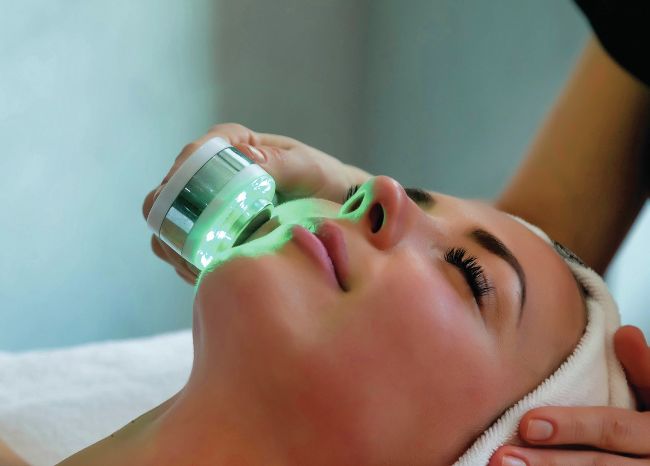
At-home devices typically operate at lower power than clinical systems, which means slower and less dramatic results than those achieved in a clinical setting. “LLLT helps the hair’s natural function and is most effective when incorporated into a comprehensive hair care routine rather than used as an isolated treatment.”
Consistency is critical. So is correct dosing. “The patient’s hair and skin condition plays a key role in treatment results. Factors like severe photodamage, active infections, and certain medications can affect the results.”
Understanding your device well will help determine optimal dosage and frequency. More importantly, consistency play a crucial role. “Often patients who stop after just two or three sessions because they don’t see immediate results will miss out on the benefits of adhering to the protocol.”
She also cautions against unverified devices. “I have seen patients come in with burns, ongoing redness, and worsened hair loss after using inexpensive LLLT devices that lacked proper instructions, wavelength verification, or safety certification.” Certifications such as CE mark or FDA clearance matter. And so does clarity.
In a results-driven industry obsessed with immediacy, LLLT asks for patience instead of promises. It is not a miracle technology, nor is it a substitute for comprehensive care. But in the right hands, it offers something far more sustainable: steady, science-backed progress that respects the biology it seeks to support.