The message is loud and clear: men’s hair is no longer playing it safe. Men’s styling has gone rogue! Fashion weeks gave us a glimpse of what’s to come as models paraded sleek curtain, bands, glossy side parting and textured centre parting. High streets across the world are flaunting TikTok-fueled broccoli cuts, mullets with a modern twist and the sharp-edged Edgar cut. When it comes to men’s styling it’s ‘everything everywhere all at once.’ Neatness is replaced by narrative. Each haircut and style tell a story – of your mood, of your goals, of who you are. If you are smitten by this electric energy and creative zest, read on to know all about the audacious flavours of men’s styling. .
MARKET SNAPSHOT
• Global men’s grooming market: US$ 61.6 billion in 2024 → projected US$ 153.6 billion by 2033 (6 per cent CAGR).
• India’s male grooming sector: US$ 2.3 billion in 2024 → expected US$ 4.3 billion by 2033.
• Hairstyling products: Fastest-growing segment in both global and Indian markets. (Source: IMARC Group, Fortune Business Insights, Grandview Research)
THE STYLIST–CLIENT BOND
Behind every bold look is a relationship built on trust. Today’s male client comes armed with references, an Instagram Reel or even a Pinterest board, expecting his stylist to interpret and adapt. Stylists, in turn, are collaborators—translating vision into reality, ensuring disruption doesn’t overshadow identity. This dialogue creates a safe space for experimentation, where men feel confident stepping out of their comfort zones.
The new-age male customer doesn’t just want a haircut from a celebrity hair artist. He wants a co-creator who can help him define his personal style statement.
EDUCATION: THE FUEL FOR DISRUPTION When styling breaks the rules, skill becomes critical. Continuous education in advanced cutting and texturising techniques is essential to keep up with the rapidly changing demands in men’s styling. Product knowledge too is key: whether it’s clay, wax, spray, or serum, stylists must understand performance under India’s humid summers or polluted urban settings. A haircut is only as good as its maintenance and today’s clients expect results without compromise to their hair or the environment.
GLOBAL INSPIRATION, INDIAN REINVENTION
Global trends continue to ripple into India’s salons. The warrior cut, TikTok’s Caesar buzz and multi-layered mullet hybrids are making appearances in urban metros. But Indian stylists are adding their twist, focusing on looks that balance high style with low maintenance. The results are textured, climate-friendly and versatile, with styles that are as wearable in a boardroom as they are at a weekend gig.
YEAR 2026 -THE DISRUPTIVE FUTURE
Expect metallic undertones infused into textured cuts, geometry-inspired fades and futuristic-retro hybrids that merge nostalgia with innovation. The spirit of 2026 will be ‘intentional disruption’ with hair that is bold but rooted in identity.
Going ahead stylists need to keep certain key factors in mind:
• Push boundaries, but keep the client’s lifestyle at the centre.
• Upskill continuously colour blending, sculptural razor cuts and advanced fades.
• Master multifunctional, climate-ready products.
• Document transformations in photos and videos and build trust through collaboration.
We get industry experts to share their ideas about the disruptive trends in men’s styling, and here’s what they have to say.
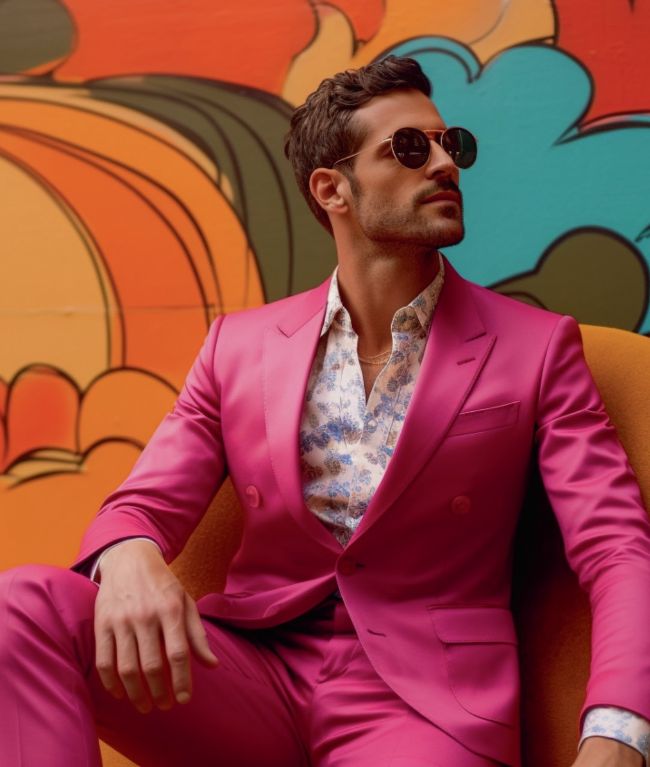
DHARMESH HINGORANI a.k.a Dodo, Co-founder, Zido Salon
What are the top trending looks for men in 2025?
Right now, mullets and taper fades are ruling the charts. These are the styles men are going crazy for, and I believe we’ll continue to see them dominate the rest of the year as well.
Which hair colours are in vogue for men in the coming season?
It’s all about bold and loud colours. Expect to see vibrant yellows, blues and greens taking over. The subtle browns and blonde highlights are fading out, being replaced by global placements and creative colour placements that stand out.
Which are your go-to products and tools?
For me, matte paste, matte wax and clays are essential. When it comes to tools, the clipper is my absolute go-to—I can practically do everything with it.
Which styles are outdated in 2025?
Undercuts, disconnected high cuts, man buns and shaved sides with long tops have had their moment. They’re no longer relevant this season.
Any global trends that you wish to see in India?
I’d love to see the crew cut really take off here. In India, we often shy away from high skin-fade crew cuts because they’re associated with the army. But it’s such a cool, zero-maintenance style that looks sharp and requires minimal effort. I hope to see more men embracing it.
What are the important aspects of men’s hairdressing that artists should keep in mind?
Two things: always consider head shape and suitability, and truly listen to what the client wants. Too often I see lopsided cuts or styles that don’t suit the client simply because these aspects weren’t factored in.
Do you think academies should have more refined courses on men’s hairdressing?
Yes, absolutely. This is the number one need of the hour. Men’s hairdressing or barbering requires its own dedicated education, and there’s still a huge gap that academies need to fill.
What pro-tip would you like to give to hairdressers with regards to consultation with male clients?
Don’t jump to conclusions. Too often we assume we know what’s best without truly listening. A solid consultation means asking the right questions, being patient with the answers, and giving clients what they want. At the end of the day, we are here to meet the client’s needs—not just our creative urges.
What is the best way to increase male clientele in salons?
It’s simple: give great haircuts that grow out well. If a haircut still looks good 25–30 days later, then that client will always return. Combine this with proper consultation and attention to detail and you’ll build strong loyalty.
What mistakes should be avoided while dealing with male clients?
The biggest mistake is rushing. We often spend over an hour perfecting a woman’s haircut but try to finish a man’s cut in 20 minutes. Take your time, personalise the haircut, and make the client feel special. Men rarely feel pampered in salons, so create that experience for them. That’s what drives retention and loyalty.
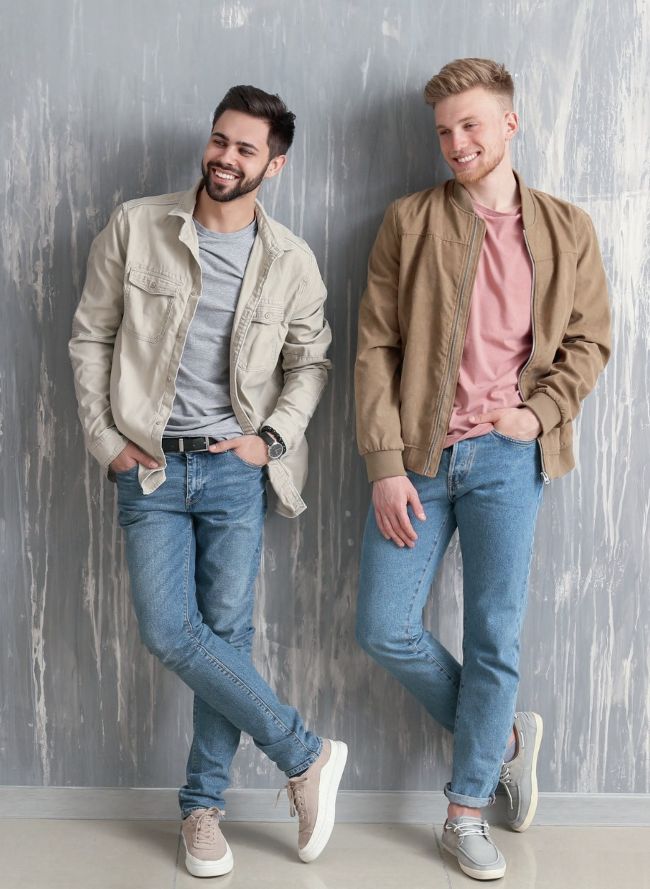
WAZID ALI, Art Director, Clo & Flo Salon
What are the top trending looks for men in 2025?
We’re seeing softer fades, especially low or ‘natural’ fades that blend seamlessly without looking too harsh. Classic shapes like precision crew cuts and refined side parts are also making a comeback, but with a modern twist: texture and matte finishes instead of glossy shine. Then you have controlled pompadours that carry volume but aren’t overly stiff, and buzz cuts with subtle detailing for those who like sharp, technical looks. Mid-length, layered hair with a slightly undone vibe is also trending, perfect for men who want flexibility between polished and casual. And, of course, celebrities continue to influence choices, like MS Dhoni’s structured fade.
Which hair colours are in vogue for men this season?
Platinum blondes and icy tones remain bold statements, especially when paired with natural roots. Frosted tips are making a surprising return. Fashion colours like muted pastels and even metallic silvers are giving men a way to express individuality. Subtle tonal shifts such as shadow roots or soft balayage are also trending. Find the tone that works for you, not what’s trending on everyone else.
What are your go-to styling products and tools?
For me, it’s about achieving a natural finish with strong control. Hair clays and matte pastes are staples because they give that lived-in, touchable texture without the artificial shine. Lightweight creams and sea salt sprays are great for adding definition to structured cuts like crew cuts or side parts. Clays are a more modern, versatile choice. Leave-in treatments and heat protectants are a must.
As for tools, I swear by a quality clipper and precision shears—they’re non-negotiable for fades and layering. But I also love what new-age stylers like Dyson and GHD are doing, blending drying, smoothing and curling with minimal heat damage.
Which styles are outdated in 2025?
We’ve said goodbye to overly rigid, high-shine pompadours and those extreme, overly sculpted wet looks. Aggressive, sharp fades with no blending are also losing ground—today it’s about softer transitions that feel more natural. The biggest thing that’s fading out? Generic cuts. The era of ‘just give me my usual’ without personalisation is over. Men are demanding individuality now.
What are the important aspects of men’s hairdressing artists should keep in mind?
The fundamentals matter. You need to understand texture, density and growth patterns before even starting.
Consultation is everything—ask about routine, maintenance and personal style. Blending is another crucial point. Harsh transitions are out, so precision fades and soft layering should be mastered. Finally, hairdressers must become educators—recommend the right product, show how to use it and talk about scalp health. That extra layer of care builds immense client trust.
Should academies offer more refined courses on men’s hairdressing?
Yes. The market is valuing specialised male grooming expertise—from tailored cuts, fade mechanics and colour for men to consultation psychology. Dedicated modules (e.g., texture-specific cutting, beard integration, communication with male clients, trend forecasting) would raise baseline quality and differentiate professionals.
What mistakes should hairdressers avoid with male clients?
The most common mistake is rushing. Male services are often treated as ‘quick jobs,’ but men notice when corners are cut. Don’t assume ‘the usual’ without clarifying, don’t overload with heavy products, and never ignore lifestyle needs. Another oversight is skipping aftercare advice. If your client doesn’t know how to style his new look at home, he won’t value the service as much. Take your time, personalise the cut and give him tools to recreate it. That’s how loyalty is built.
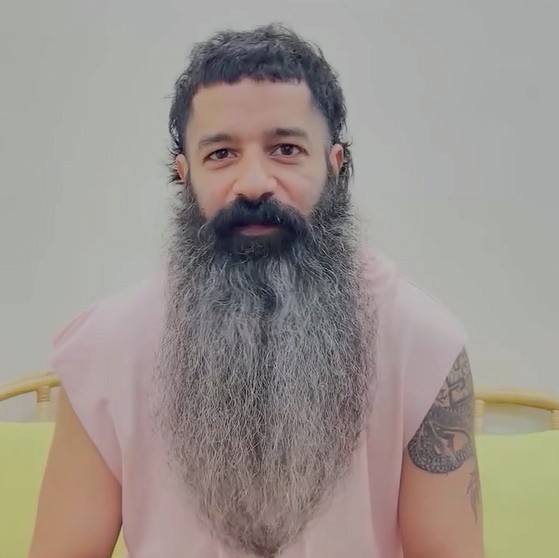
SUNIL JADHAV, Senior Training Manager, Lloyds Luxuries
What are the top trending looks for men in 2025?
In 2025, men’s grooming is leaning heavily into texture, shape and versatility. The textured crop, bro flow, modern mullet and shaggy layers are in high demand, reflecting a blend of casual wearability and high-fashion edge. Additionally, mid to low fades, side parts and the return of natural wave-enhancing styles are redefining classic silhouettes with a contemporary twist.
Which hair colours are in vogue for men this season?
Men’s hair colour trends are shifting towards a mix of natural hues with a modern twist and bold, statement-making shades. Popular choices include cool tones like salt and pepper, ash blonde and icy silver, as well as rich, dimensional browns like brunette and milk chocolate. For those seeking a bolder look, vibrant fashion colours such as electric blue, deep green and fiery red are also making a splash.
Which are your go-to products and tools?
Essential styling tools include:
• Volumising powder
• Matte clays and lightweight pomades for hold with a natural finish
• Diffusers for curls and waves
• Quality taper clippers and shears for precision
The emphasis is always on achieving a style that enhances the client’s natural hair and lifestyle.
Which styles are outdated in 2025?
Styles that lack subtlety or craftsmanship are phasing out. This includes overly structured spikes with excess gel, disconnected undercuts without a balanced blended boxy, unnatural hairlines, flat pompadours without volume or shape.
Today’s client seeks individuality over trends that feel forced or unauthentic.
Any global trends that you wish to see in India?
I can see there’s a global move towards inclusive grooming—embracing natural hair textures, gender-fluid
styles and vibrant colour choices. I’d love to see Indian salons adopt more creative hair colouring for men, hair tattoos or line art designs, and scalp and grooming therapy services.
What are the important aspects of men’s hairdressing that artists should keep in mind?
Key considerations for hairdressers:
• Professionalism
• Attention to details
• Time management
• Good communication
• Hairdresser should focus on face shapes
• Customer service
Do you think academies should be having more refined courses on men’s hairdressing?
In India, barber’s follows the tradition, but men’s hairdressing has evolved into a specialised craft. Training academies should offer advanced modules focusing on:
• Fading mastery
• Beard sculpting
• Men’s colour theory
• Consultation techniques
• Texture management
The demand exists—education must rise to meet it.
What pro-tip would you like to give to hairdressers with regards to consultation with male patrons?
Listen first, advise second. Male patrons often appreciate straightforward, functional guidance. Use visual references, understand their grooming habits, keep it personalised, clear and confidence-building.
What is the best way to increase male patrons’ salons?
Focus on creating an experience, not just a service:
• Maintain a clean, gender-neutral or masculine aesthetic.
• Use social media to showcase real male transformations.
• Barber should be attentive to what patron needs.
Consistency and comfort are key to retention.
What mistakes to avoid while dealing with male patrons?
• Avoid assuming styles without discussion. Always confirm styles that fit their needs and preferences.
• Don’t ignore the hair type. Tailor services to the specific hair characteristics of male patrons.
• Avoid suggesting styles that are no longer in vogue.
• Professionalism, attention to detail, and clear communication go a long way.